There aren't many plans that will impact a mortgage. That's true for all but one:
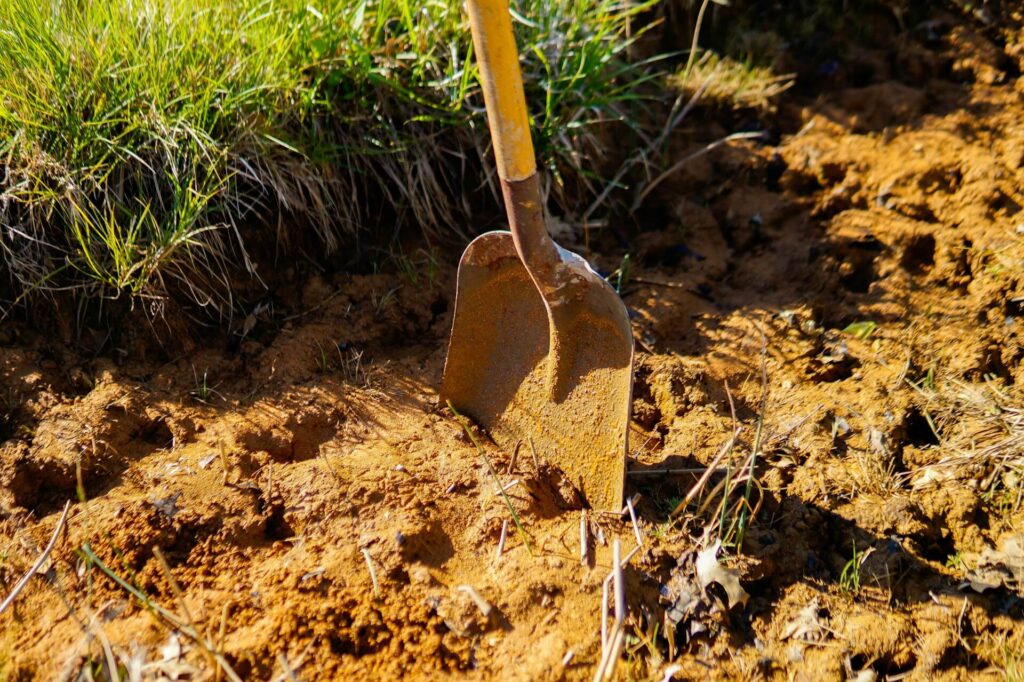
Japanese Knotweed and Mortgages — What Essex Homeowners Need to Know
There aren’t many plans that will impact a mortgage. That’s true for all but one: Japanese Knotweed. Essex mortgage lenders care about this weed because it reduces property values by up to 15 per cent.
Mortgage lenders avoid approving home loans on properties where this species is present. They are just as hesitant if a neighbour has knotweed.
That’s why, if you hope to buy or sell an Essex home, your first concern should be addressing Japanese knotweed.
Basics of Japanese Knotweed Mortgage Essex Lenders Care About
Knotweed impacts buyers and sellers equally. Consider this: roughly 80 per cent of Essex buyers fund their home purchase with a mortgage. If knotweed is found on the property or surrounding property, mortgage lenders can refuse to approve the loan. For buyers, that means missing out on a dream home. For sellers, that means forfeiting equity.
Therefore, it is as much the homeowner’s responsibility to please the mortgage lender as it is the buyers.
That starts with understanding why lenders care about this weed and what you can do to address these concerns.
Lenders Care That Japanese Knotweed Decreases Property Values by 15%
Mortgage lenders are particularly put off by this invasive weed. They’re considering the risk that the property will encounter substantial damage. They have to assess what this damage could do to the home’s value and remortgage. Lenders want to know if they can recoup their loan.
Often, they’ll become cautious about approving loans where knotweed is present. This has a domino effect on property prices.
80 per cent of Essex buyers rely on a mortgage to buy a home. If lenders won’t approve a mortgage on your property, you’ll lose 80 per cent of the market. If lenders will approve a mortgage for your property, it will be below market value to ensure they can recover the asset value. Cash buyers will do the same, driving down your price.
Typically, buyers will bid less, allocating as much as 15 per cent of the property’s value to knotweed removal. Besides removal, they’ll be conservative in their bids to address the cost of repairing underlying damage. In this case, rather than using your listing price as a starting point, the presence of knotweed means that price is the ceiling.
Lenders Care That Knotweed Creates Long-Term Property Damage
From the perspective of buyers and sellers, if there isn’t evidence of knotweed damage, mortgage lenders shouldn’t refuse to lend. But from a lender’s perspective, the mere presence of knotweed means damage. Knotweed spreads quickly. It grows ten centimetres in a day during summer. That means if a neighbouring property has knotweed and they stop maintaining it, it can spread to yours. When that happens, damage is almost inevitable.
This damage can impact:
- Retaining walls
- Fences
- Tarmac
- Drives
- Pipes
- Building foundation
- Garden walls and buildings
Additionally, knotweed reduces what buyers can do to increase its value. Could a buyer build a conservatory, garage, or a swimming pool with knotweed?
Lenders Care About Knotweed Management Plans
If you have knotweed, that doesn’t mean your property won’t or can’t be sold. In Essex, knotweed is common enough that buyers and lenders expect to find it. Therefore, to protect their investment, they require a property to have a knotweed management plan. The plan is necessary if the property or surrounding properties are affected by the species.
In the lender’s handbook, it states that should a property have knotweed, there should be a “treatment plan which has been fully completed by an appropriately qualified person or company,” specifically a “Property Care Association” specialist.
What is an Insurance Backed Guarantee and Why Lenders Require it
An insurance-backed guarantee (IBG) covers the cost of control and removal following an insurance-approved treatment. An IBG, unlike a company guarantee, ensures that if the business conducting the service cannot continue with treatment, an alternative PCA contractor will.
With an IBG, you can get up to ten years of insurance coverage for a one-time fee with a one-off premium.
Lenders require that any treatments are insured because it reduces their risk exposure.
Why Acting Quickly Against Knotweed Protects Your Property Sale
Many buyers will be put off by knotweed because it can lead to a lifetime of problems and reduce the property’s value. When you act quickly, you can reduce the cost of treating the knotweed. This ensures that you won’t need to pay thousands to remove the Knotweed. It also guarantees you don’t need to spend on repairing damage. Because of how quickly this invasive species grows, the cost of removal can double every two weeks. As the weed’s rhizomes grow, damage increases.
Buyers and Owners Have a Legal Duty to Disclose Knotweed
You’re legally required to disclose the presence of this invasive species. If you’ve struggled with knotweed in the past or you’re aware of its presence on neighbouring properties, you need to share these details with lenders through a TA6 form.
Failure to disclose this invasive species to lenders can result in legal liability.
Knotweed Opens Homeowners Up to Legal Liability
Japanese knotweed can open homeowners up to liability, especially if it becomes an issue after the sale. If a homeowner fails to disclose the presence of the weed, a mortgage lender or a buyer could pursue a damage claim from the former property owner.
To ensure knotweed never becomes a costly problem, claim your free survey today.
You Might Also Like
We’ve worked on hundreds of properties across Basildon, Billericay, Wickford and throughout Essex. Here’s what sets us apart.

Japanese Knotweed Management Plans for Mortgage Lenders in Essex
27/07/2026
Was the sale held up because of knotweed? You already know the problem. What you need now is a plan.This...
Japanese Knotweed and Property Sales in Essex
27/07/2026
If you are buying or selling a property in Essex and knotweed derailed your sale, take a breath.A...
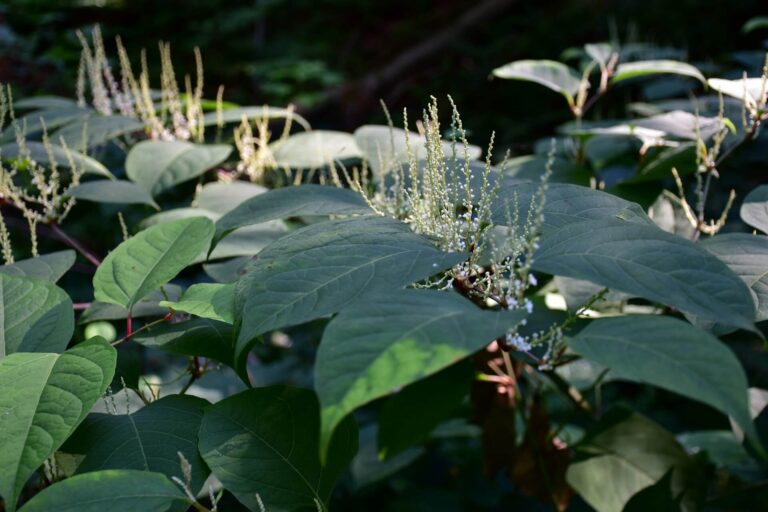
How Much Does Japanese Knotweed Removal Cost in Essex?
01/07/2026
When searching for Japanese Knotweed removal cost, Essex homeowners have plenty to consider.